A brand promise is easy to write. Organizations express it every day through mission statements, marketing campaigns, and digital channels. But promises only become meaningful when people can experience them.
In today’s experience-driven economy, branding doesn’t end with a logo or a message. It extends to every interaction customers, members, and employees have with an organization, including the spaces they inhabit. Beyond their functional purpose, physical environments have the power to communicate values, tell stories, and shape perceptions long before a conversation begins.
Through layout, furniture, lighting, materials, and flow, spaces can reinforce brand values, create emotional connections, and transform ordinary interactions into memorable experiences. In this sense, the physical environment becomes more than a setting. It becomes a strategic marketing asset.
This raises a fundamental question: What is the marketing value of space? To explore this idea, organizations can evaluate their physical environments through 4 essential questions that reveal whether a space is truly functioning as an extension of the brand.
1) What promise does your brand make?
Before selecting any furniture, colors, or layouts, an organization must first identify the promise it wants to communicate. If that promise is unclear, the space will struggle to communicate it effectively.
Consider the values your brand aims to represent:
- Innovation
- Trust
- Collaboration
- Efficiency
- Sustainability
Every design decision should reinforce these values and help transform them from statements into tangible experiences.
2) Does your space reflect that promise?
Many organizations communicate one message while their physical environments communicate another. A company may promote innovation while operating in rigid, outdated spaces. It may emphasize collaboration while providing environments that isolate people. It may advocate well-being while creating spaces that feel uncomfortable or impersonal.
Ask yourself: If a visitor entered your space without seeing your logo, would they still recognize your brand values?
The answer reveals whether your environment is actively supporting your brand (or undermining it).
3) What story does each area tell?
The real issue is not interior design. It is communication. Every space serves a narrative purpose and contributes to the overall brand experience.
- Reception = First impression
- Meeting room = Collaboration and trust
- Kitchen or break area = Culture and community
- Workstations = Productivity and focus
- Customer-facing areas = Brand personality
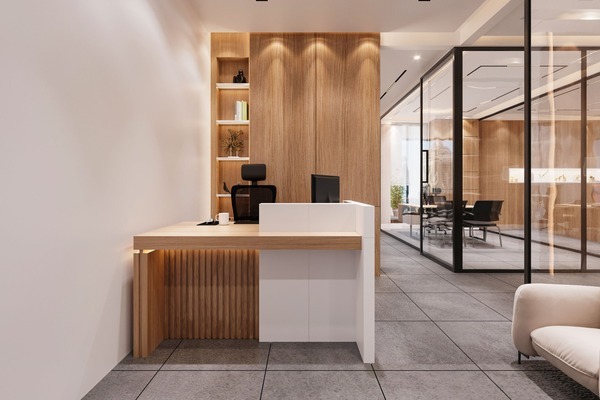
When viewed collectively, these spaces tell a story about who the organization is and what it values.
Beyond layout and function, physical environments communicate through subtle cues. The materials, lighting, furniture, and spatial arrangement people encounter often shape perception long before any conversation takes place.
- Natural light = Transparency and openness
- Sustainable materials = Environmental responsibility
- Open layouts = Collaboration and accessibility
- Premium finishes = Exclusivity and quality
- Interactive displays = Innovation and engagement
When these elements are aligned with brand values, the space becomes a consistent and intentional expression of identity.
4) Is every square foot working for your brand?
The most effective spaces are not necessarily those that accommodate the most furniture or the highest number of people. They are the ones that create meaningful connections between individuals and the organization.
Every square foot should contribute to a purpose, whether supporting productivity, encouraging collaboration, strengthening culture, or enhancing the customer experience. When space aligns with brand strategy, it becomes a powerful business asset rather than simply a physical necessity.
Furniture is often viewed as a functional necessity, yet it plays a much greater role in shaping how people experience a space. The right furniture can reinforce collaboration, support well-being, encourage productivity, and bring a brand’s values to life.
Ultimately, successful spaces do more than accommodate people. They communicate, inspire, and strengthen the connection between an organization and those who interact with it. Yet beyond the messages they convey, the most effective environments are those that support the people who use them every day.
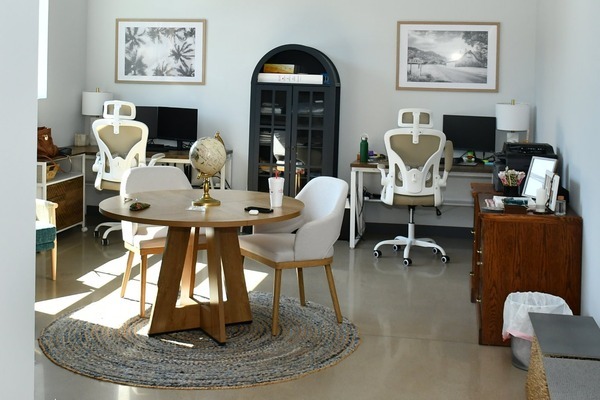
At WorkHub®, we see every space as the starting point of that story. Our offices and warehouses give growing businesses a professional foundation they can shape around their own brand, from the first impression at the front door to the way their team works every day. Because when a space reflects the promise, every visitor can feel it.
🔎 Find a space that reflects your brand here
Contact
Kristen Slayton I Commercial Leasing Manager
Charles Cartwright I Property Manager & Customer Service
(832) 521-5404
leasing@workhubusa.com
workhubusa.com